
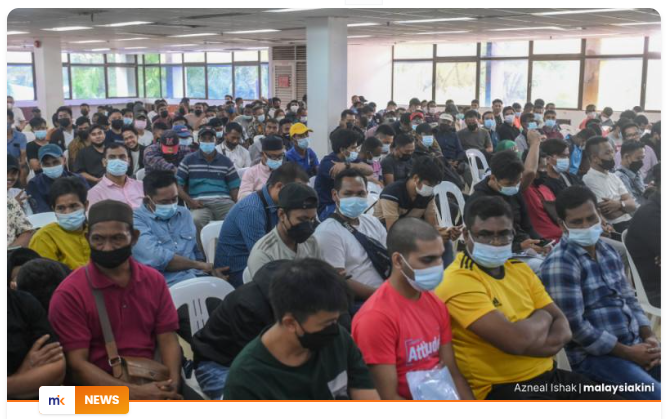
YOURSAY | ‘Dignity at work is not a privilege, it is a right for everyone.’
Guan Eng: No need minimum wage, EPF for existing migrant workers
IndigoGoat3056: Bagan MP Lim Guan Eng made a troubling statement in Parliament on Aug 6, asserting that there is no need to mandate the RM1,700 minimum wage or Employees Provident Fund (EPF) contributions for existing migrant workers, arguing that Malaysia is not bound by certain International Labour Organisation conventions.
He further cited Singapore’s exclusion of Central Provident Fund contributions for migrant workers as justification. This is a deeply disappointing position.
The DAP MP, in this case, is operating from a narrow capitalist mindset that clearly contradicts the spirit of the Federal Constitution, fundamental human rights principles, and the values of social justice.
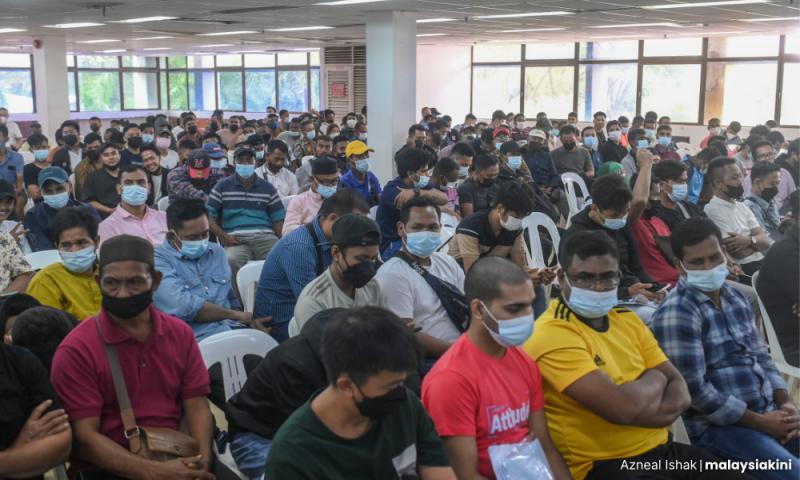
Lim’s statement reflects an economic ideology that prioritises employer profits over fairness for all workers, particularly migrant workers, who are often among the most exploited.
Legally, morally, and constitutionally, this reasoning is flawed.
Malaysia’s Federal Constitution, under Article 8, guarantees that “all persons are equal before the law and are entitled to the equal protection of the law.” This does not limit protection to citizens.
It includes all persons, including non-citizens. Migrant workers who are lawfully present and employed in Malaysia are entitled to this equal protection.
Any policy that denies them basic rights, such as minimum wage or EPF, is discriminatory.
The Court of Appeal in Tak Tek Seng further clarified that the right to life under Article 5 includes the right to livelihood.
Denying migrant workers fair wages and social protection is a denial of that livelihood – and a denial of dignity.
In Kathiravelu Ganesan v Kojasa Holdings Bhd, the Court of Appeal held that a migrant worker qualifies as a “workman” under Malaysian labour law and can bring claims for unfair dismissal under Section 20(1) of the Industrial Relations Act 1967.
If the law recognises their right to challenge unfair dismissal, it must also uphold their right to minimum standards of compensation and retirement protection.
Article 6 prohibits all forms of forced labour, regardless of nationality. Paying migrant workers below the wage floor and denying EPF contributions – while demanding full output – amounts to economic exploitation, in breach of the Constitution.
Furthermore, Article 10 allows migrant workers to be members of trade unions, affirming their recognised role in the national workforce. Article 155 also provides reciprocal rights for Commonwealth citizens – a reminder that migrant workers are not to be treated as second-class.
The idea that existing migrant workers – many of whom have served this country for years – can be excluded from protections just because they were hired earlier is not justifiable.
It rewards employers for locking in unfair contracts and punishes workers who have already contributed significantly to Malaysia’s economy.
Malaysia does not need to wait for international treaties to act justly. Our own Constitution, courts, and conscience demand it.
Migrant workers deserve minimum wage, EPF contributions, and equal labour rights – regardless of when they were hired or where they came from.
Dignity at work is not a privilege; it is a right for everyone.
TMataz: Agree. The minimum wage ruling should apply only to Malaysian citizens.
Applying the same ruling to migrants only distracts from the more urgent focus on alleviating the living wage of our fellow Malaysians.
An average Singaporean’s income is SG$6,000 a month. Sadly, the average income for Malaysians is RM6,000 a month.
I believe Malaysia should strive for at least half of that figure, due to our Malaysian equivalent educational literacy and the lower cost of living, which is why the average Malaysian should be earning RM9,900 per month.
To progressively push the employer to improve their business productivity and retool their operations to meet today’s technological demands, and to be better able to alleviate their Malaysian employees’ income.
It’s not fair to put unfair constraints on local businesses and to force them to pay unreasonably high wages for menial jobs done by migrants.
Thus, if we remove migrants from the national minimum wage ruling, then we are able to fast-track wages for our Malaysian citizen workers to double the current minimum.
If there is a need to placate international labour rules, just do a separate minimum wage requirement for migrants.
Coward: Our ex-finance minister is not showing any knowledge of the market.
Minimum wage and EPF contributions for migrant workers are not there to protect them.
Both are there to prevent them from undercutting locals. If employers don’t have to respect them, then they are cheaper than locals from the employer’s viewpoint.
When that’s the case, who will they employ?
In most countries where employers contribute to pension funds, they are required to give migrant workers what they would have contributed to the funds for locals if they didn’t have to open the same pension fund account for migrant workers.
The people of Selangor: Who came up with the idea of EPF and minimum wages for migrant workers? How will such a policy or ruling benefit our country? What is the purpose of it?
Do we want to encourage more migrant workers to come here? What we see is more illegal workers coming here instead.
We should suggest better policies for local workers instead of migrant workers; these policies will only burden our employers or businesses and increase our cost of living.
BlueGecko7216: Without equal minimum wages for migrants, it will lead to an influx of migrant workers, which is detrimental to local workers.

Malaysiakini. (2025, August 7). YOURSDAY | Do migrant workers deserve the same benefits as locals? Malaysiakini. https://www.malaysiakini.com/news/751437
- CASE ANALYSIS: When Silence Becomes Dismissal: The Doctrine of the Brick Wall and Seacera Trilogy
 Post Views: 359
 - PERKESO reforms ensure comprehensive protection for all workers, says HR Minister
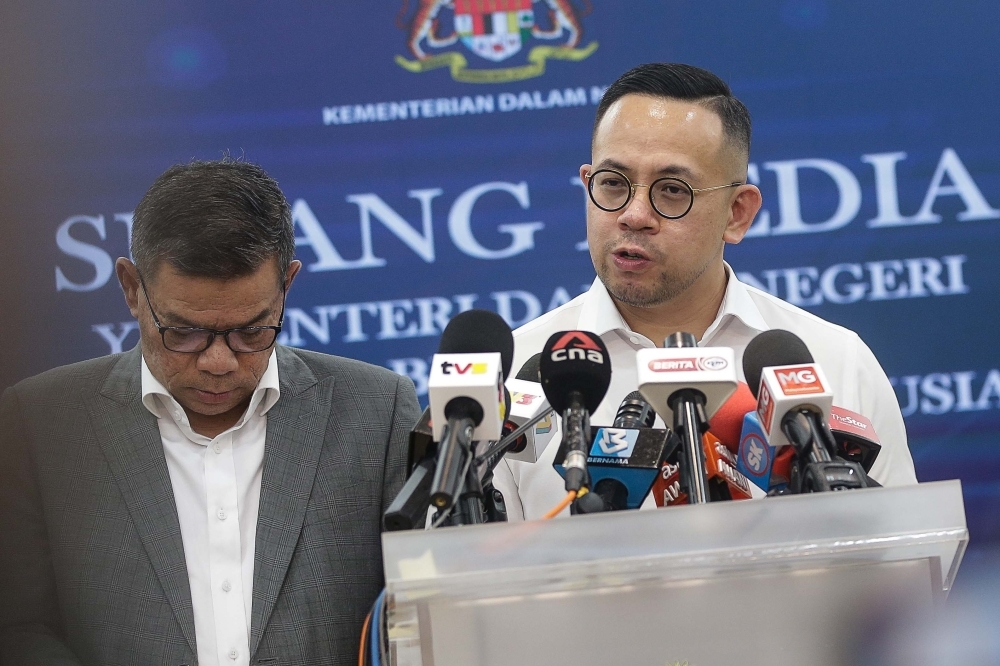 KUALA LUMPUR: The Human Resources Ministry, through the Social Security Organisation (PERKESO), continues to undertake comprehensive reforms to strengthen social protection for all contributors, including gig workers and foreign workers, says Steven Sim Chee Keong. The Human Resources Minister said that 10 major reforms have been implemented over the past two years to provide more […]
 - KESUMA’s drive for fair work and shared progress
 The LIFE AT WORK Awards (LAWA) hosted by Talent Corporation Malaysia Bhd (TalentCorp), celebrates its 10th edition, solidifying its influence as a platform that drives transformation in diversity, equity and inclusion (DEI) in Malaysian workspaces. With concerns regarding human capital rising amid the ubiquity of artificial intelligence (AI), it is crucial now more than ever […]
 - ‘Many employers not making mandatory Perkeso, EPF contributions’
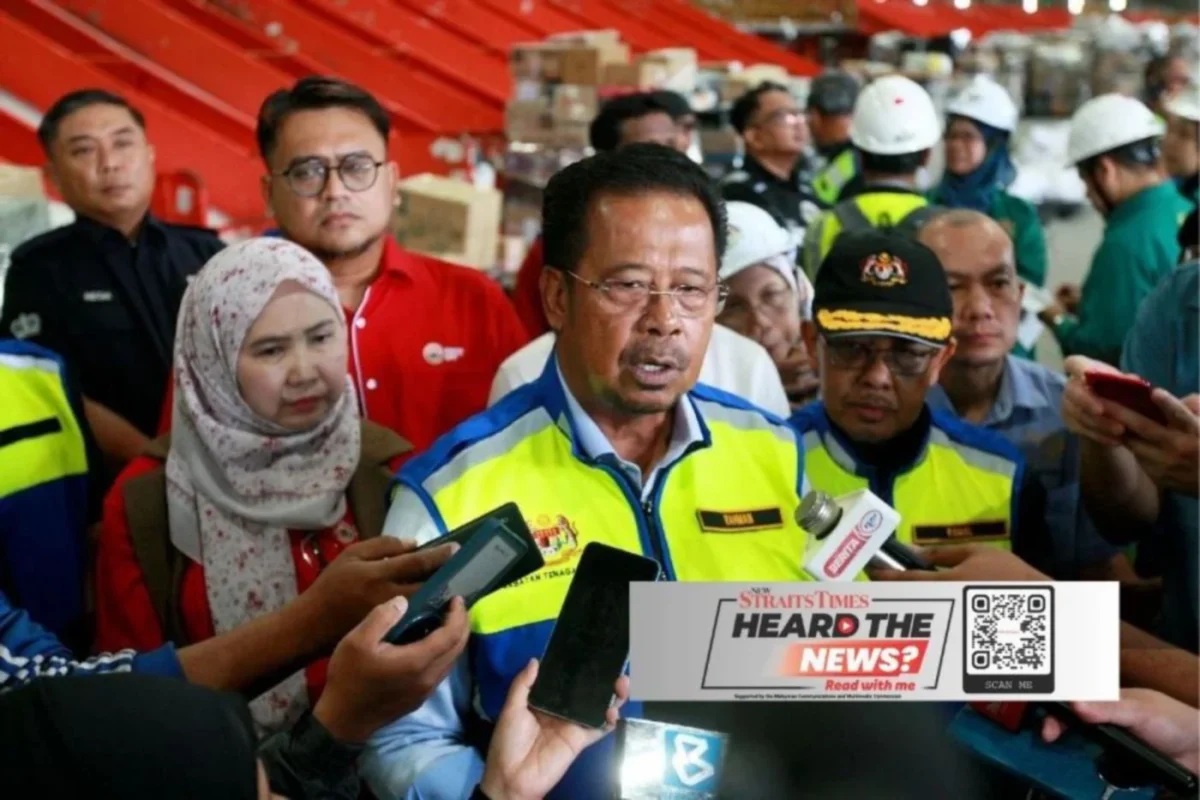 KLANG: The Human Resources Ministry has detected a worrying number of employers still refusing to register or make mandatory contributions to the Social Security Organisation (Perkeso) and Employees Provident Fund (EPF) for their workers. The ministry stressed that such actions violated employees’ rights and denied them basic protection. Deputy Human Resources Minister Datuk Seri Abdul […]
 - Nearly 500 labour law breach cases detected
 KLANG: Almost 500 investigation papers have been opened against employers for breaches of labour laws as of Nov 1, says Deputy Human Resources Minister Datuk Seri Abdul Rahman Mohamad. Among the most common labour law offences are employers’ failure to make the mandatory contributions to the Social Security Organisation (PERKESO) or the Employees Provident Fund […]
 - MOHR Won’t Tolerate Companies Preventing Workers From Forming Union
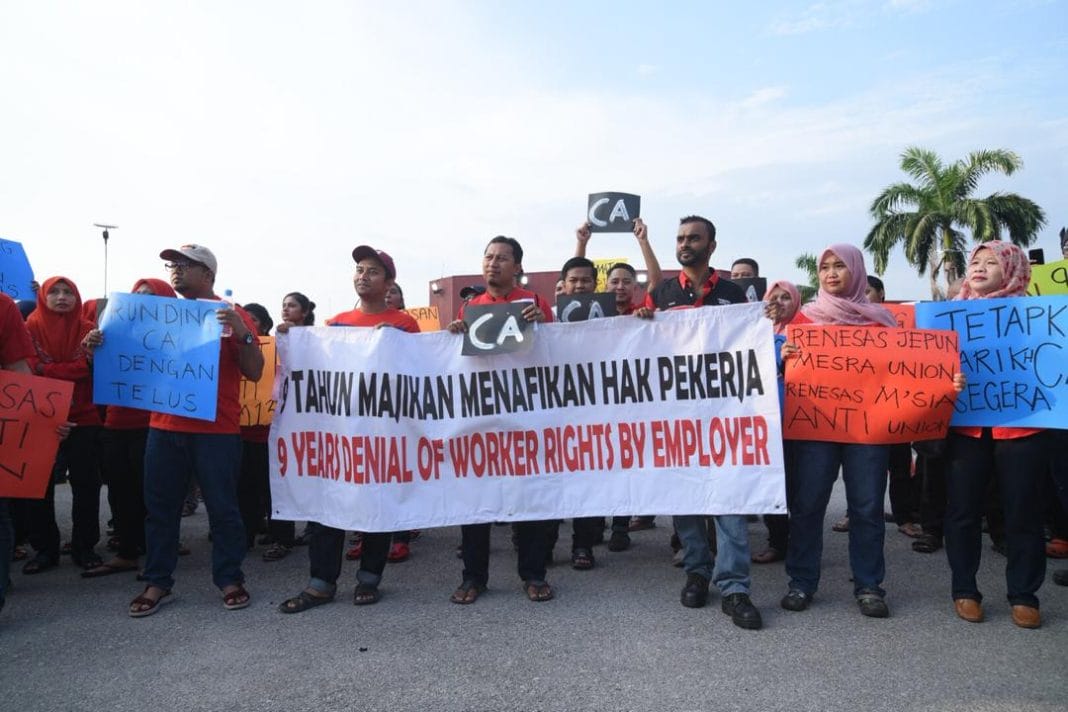 The Industrial Relations Department of the Human Resources Ministry (MOHR) has reaffirmed its commitment to safeguarding workers’ rights after a gathering and memorandum submission by several labour unions concerning alleged union-busting practices. The department emphasised that it respects the constitutional right to peaceful assembly and freedom of speech, while reiterating that workers’ rights to form […]
 - Court Orders Employer To Pay 93 Migrant Workers Outstanding Wages
 Human Resources Minister Steven Sim Chee Keong has welcomed the Shah Alam High Court’s decision to uphold an earlier ruling by the Labour Court, ordering an employer to pay outstanding wages to 93 migrant workers who were left without work upon arrival in Malaysia. The High Court on 31 October 2025 affirmed the Labour Court’s […]
 - No tolerance for employers who withhold wages, says HR Minister
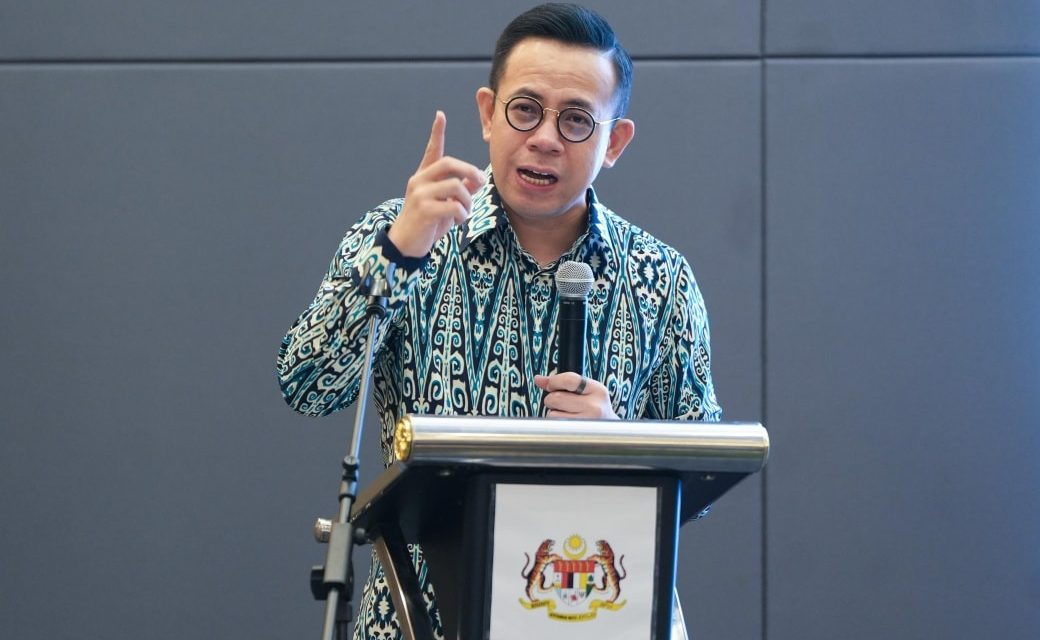 The Ministry of Human Resources (KESUMA) has urged all employers to take heed of the recent Shah Alam High Court ruling which upheld a decision in favour of 93 migrant workers in an unpaid wage case. Human Resources Minister Steven Sim Chee Keong said the Oct 31 decision sends a strong message that failure to […]
 - THE HEART WORK REVOLUTION
 TEN years after its inception, the Life at Work Awards (LAWA) 2025 marked not just a milestone but a movement that celebrates how Malaysia’s workplaces are evolving with compassion, flexibility and purpose. Hosted by Talent Corporation Malaysia Bhd (TalentCorp), the gala night honoured organisations leading the way in shaping a fairer, more progressive, human-centred world […]
 - Group wants clear framework, pilot projects before expanding EIS to gig workers
 PETALING JAYA: The Malaysian Industrial, Commercial and Service Employers Association (Micsea) has called on the government to set a clear policy framework and run pilot projects before expanding the Employment Insurance System (EIS) to gig and platform-based workers. The association said the plan, announced by human resources minister Steven Sim in the Dewan Rakyat on […]