

IN A significant stride towards integrated workforce recruitment, Talent Corporation Malaysia Bhd (TalentCorp), a strategic think tank under the Human Resources Ministry (Kesuma), has rolled out a centralised digital ecosystem to streamline expatriate talent hiring procedures.
The new system integrates the MYFutureJobs platform and Foreign Workers Integrated Management System (ePPAx) into Xpats Gateway, simplifying the approval process for employers and strengthening Malaysia’s digital governance.
This strategic move aims to streamline the process of connecting global talent with local opportunities, promising greater efficiency for businesses and clearer pathways for international professionals looking to navigate the Malaysian job market.
It creates a more cohesive and structured ecosystem for talent acquisition, making it simpler for local businesses to tap into a global pool of skilled individuals.
Human Resources Minister Steven Sim Chee Keong said that this move reflects the country’s commitment to improving regulatory coherence. The improved system marks the operationalisation of an automatically synchronised and end-to-end digital expatriate approval ecosystem.
“By streamlining the process, we are re-engineering and advancing government service delivery, raising productivity and reinforcing Malaysia as a competitive, investment-ready economy,” he said during a media briefing held at Sofitel Kuala Lumpur in Bukit Damansara on July 7.
“Integrating these platforms creates seamless, automated connectivity, making it a one-stop channel for businesses and employers.”
He added that key regulatory requirements have been merged into the new Xpats Gateway system – Section 60K of the Employment Act 1955, regulated by the Peninsular Malaysia Labour Department (JTKSM), and the MYFutureJobs acknowledgement letter, administered by the Social Security Organisation (Perkeso).
Coordinating through digitalisation
Launched two years ago by TalentCorp, Xpats Gateway is a single-window online platform for expatriate application procedures, connecting 26 regulatory bodies and approving agencies.
The integration of MYFutureJobs and ePPAx within the system went live on July 1.
Previously, employers had to navigate their applications on three separate platforms – MYFutureJobs, ePPAx and Xpats Gateway – with varying approvals that took months to complete.
Now, the newly integrated system offers key improvements, such as: > Eliminating redundancies: Companies can streamline processes, reducing repetitive data entry by 70%. > Shortening approval timelines: JTKSM and MYFutureJobs applications can be submitted concurrently, with processing times reduced to 10 working days each. > Enabling greater transparency and fraud prevention: Employers can track application status in real time, and all data and documents are sourced directly from official systems, reducing the risk of fraudulent submissions.
Since its launch on July 1, Sim said that approximately 100 local organisations have used the new integrated system, with some already receiving first-stage approvals.
He added that the system is expected to reduce turnaround times for application approvals to within 20 days.
Sim also highlighted that there is on-arrival support for expatriates at the Expatriate Satellite Centres (ESC) in KLIA 1 and 2, facilitating employers and foreign talent to begin the employment process as soon as they land.
“Previously, employers had to take expatriates to their temporary accommodations until they received their expatriate Employment Pass (EP), before commencing work – which could take up to a month,” said Sim.
“Now, with the ESCs, the moment an expatriate lands in Malaysia, they will receive their EP and can start work immediately, if needed. This saves employers and hirers nearly RM500mil in annual expatriate support.
“That’s what we’re trying to do, increase the efficiency of service and reduce costs, so that companies can conduct their business effectively.”
The Ministry’s deputy secretary-general (policy and international) Dr Mohd Shaharin Umar said this system will improve public sector efficiency and aid the country in identifying and filling skill gaps.
“This integration is part of the government’s initiative to provide a more holistic hiring ecosystem. It is the first step in our long-term plan,” he said.
“Having a centralised data repository will make it easier for us to address any skill mismatches and fill gaps, while also improving local employability prospects through reskilling and upskilling initiatives.”
With approximately 100,000 expatriate applications annually, Immigration Department director-general Datuk Zakaria Shaaban added that the integration will shorten processing times for expatriate EP approval, facilitating a growing and more progressive economy.
“This collaboration is an example of a whole-of-government approach to strengthening investor confidence, upholding national security and delivering more trustworthy and transparent public services,” said Zakaria.
“Based on recent statistics, there has been an increase in expatriates, with over 138,000 currently in the country.
“This is an indication that we are headed towards a more successful economy, and that business opportunities are increasing, which is why the need for hiring expatriates has increased.”
Enhancing global competitiveness
The initiative also seeks to support the country’s competitiveness as a global investment destination, benefitting employers, government agencies, citizens and expatriates.
TalentCorp group chief executive officer Thomas Mathew said the move not only reduces redundancies but will also enhance Malaysia’s global competitiveness.
“We live in a world which is very competitive and a region that is even more so. Moving forward, we will look at how we can further improve the process,” he said.
“One aspect we are looking at is integrating artificial intelligence (AI) processing in Xpats Gateway. AI can assess and process data and documents at a faster rate, making it easier to conduct business in the country, attract more foreign investments, create more high-skilled jobs for our youth and ultimately grow the economy.”
Malaysian Employers Federation (MEF) chief executive Sheikh Farouk Sheikh Mohamed echoed Mathew’s statements, highlighting that the digitalised system will improve the ease of doing business for companies.
“We live in the era of AI, and we can’t run away from it. With the current global economic standards and rising costs of business, we have to embrace digitalisation.
“Doing so will increase the productivity level of the economy and reduce the cost of furthering business opportunities,” he said.
European Chamber of Commerce (Eurocham) Malaysia chief executive officer Karl Godderis added that strategic improvements like this enhance competition with other developing nations, positioning Malaysia as an ideal destination for expatriates.
“Malaysia is not the only country in the region vying for investor attention. You have to compete for it,” he said.
“In the last few years, the country has been successful in attracting more foreign direct investment thanks to the increase in knowledge transfer.
“Knowledge transfer requires the mobility of people, so this initiative – which enables a much faster and transparent transfer process to move people – is a smart move in promoting Malaysia as a global investment destination.
“We live in a time where time-effectiveness is paramount, and investors expect no less.”
Meanwhile, Malaysia Productivity Corporation (MPC) deputy director-general Dr Mohamad Norjayadi Tamam said Xpats Gateway is a key enabler of the Madani Economy framework, as it aligns with national goals to position Malaysia among the world’s top 12 most competitive economies by 2033.
“Through this initiative, we have already seen sector-related improvements in terms of efficiency, which has increased business productivity as well,” he said.
“By having this centralised system, we provide a platform for everyone involved to identify how we can further improve. With continuous enhancements, we will be on course to achieve the aspiration of our Madani economy.”
He added that this efficient and modern approach to workforce approvals has already made an impact on the country, as Malaysia rose 11 spots to the 23rd position in the 2025 IMD World Competitiveness Rankings, driven by improvements in business efficiency and digital readiness.

Raj, M. R. (2025, July 16). Boosting global competitiveness. The Star. Retrieved August 19, 2025, from https://www.thestar.com.my/news/nation/2025/07/16/boosting-global-competitiveness
- PERKESO reforms ensure comprehensive protection for all workers, says HR Minister
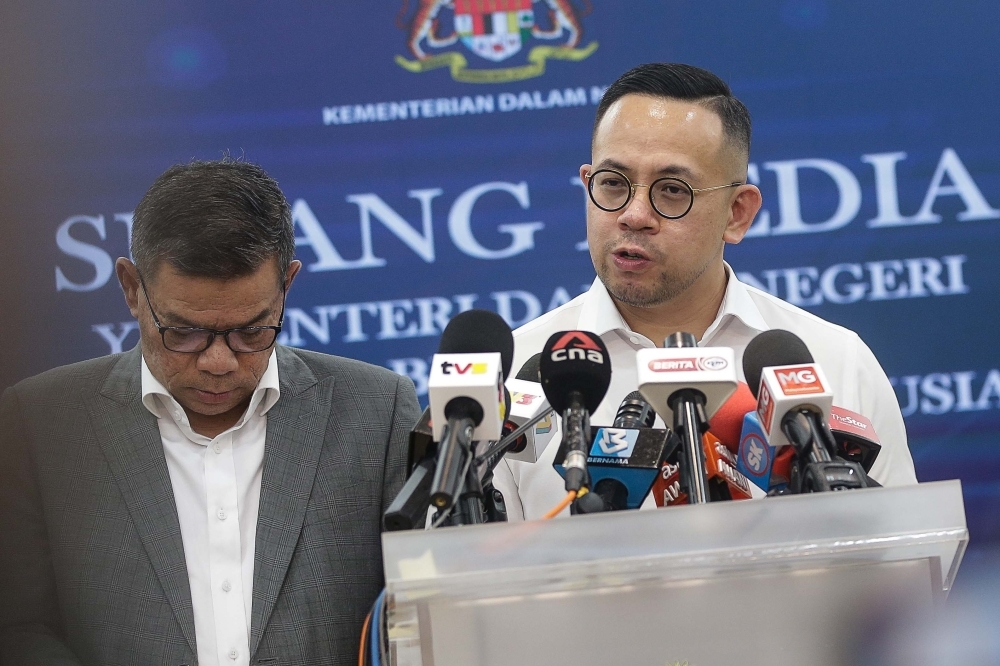 KUALA LUMPUR: The Human Resources Ministry, through the Social Security Organisation (PERKESO), continues to undertake comprehensive reforms to strengthen social protection for all contributors, including gig workers and foreign workers, says Steven Sim Chee Keong. The Human Resources Minister said that 10 major reforms have been implemented over the past two years to provide more […]
 - KESUMA’s drive for fair work and shared progress
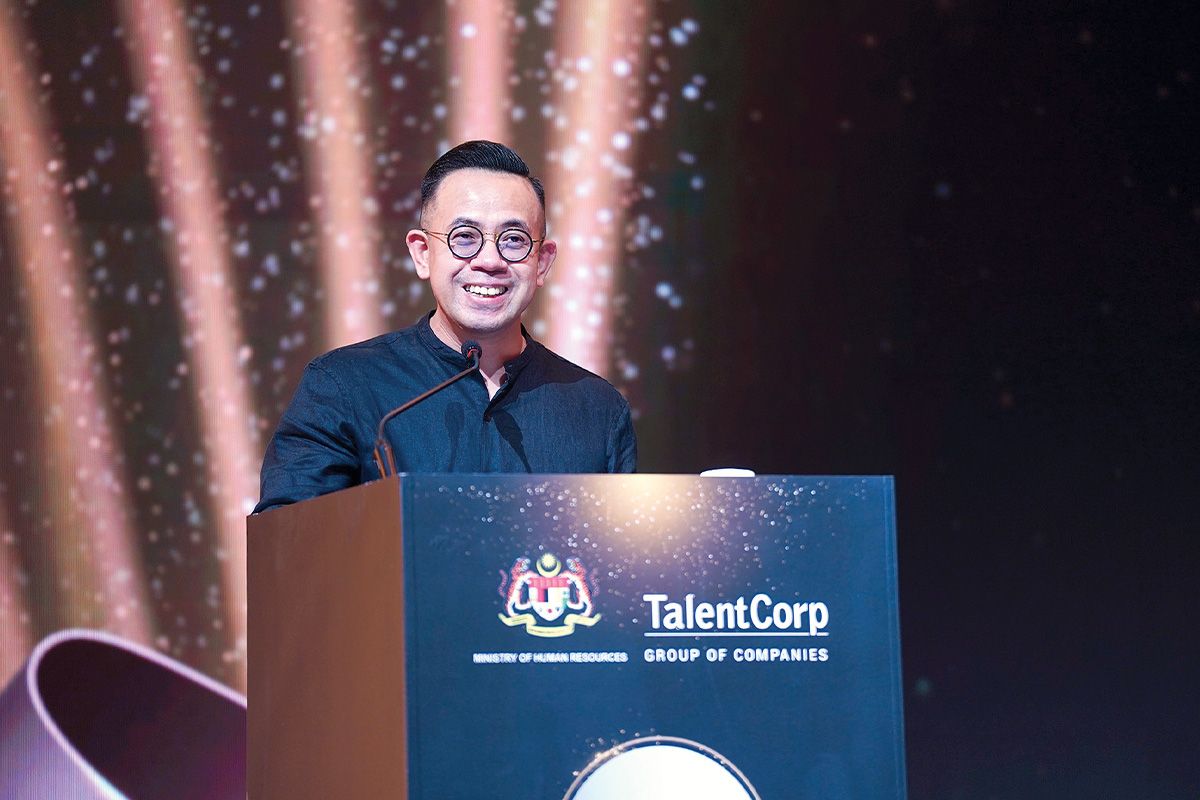 The LIFE AT WORK Awards (LAWA) hosted by Talent Corporation Malaysia Bhd (TalentCorp), celebrates its 10th edition, solidifying its influence as a platform that drives transformation in diversity, equity and inclusion (DEI) in Malaysian workspaces. With concerns regarding human capital rising amid the ubiquity of artificial intelligence (AI), it is crucial now more than ever […]
 - ‘Many employers not making mandatory Perkeso, EPF contributions’
 KLANG: The Human Resources Ministry has detected a worrying number of employers still refusing to register or make mandatory contributions to the Social Security Organisation (Perkeso) and Employees Provident Fund (EPF) for their workers. The ministry stressed that such actions violated employees’ rights and denied them basic protection. Deputy Human Resources Minister Datuk Seri Abdul […]
 - Nearly 500 labour law breach cases detected
 KLANG: Almost 500 investigation papers have been opened against employers for breaches of labour laws as of Nov 1, says Deputy Human Resources Minister Datuk Seri Abdul Rahman Mohamad. Among the most common labour law offences are employers’ failure to make the mandatory contributions to the Social Security Organisation (PERKESO) or the Employees Provident Fund […]
 - MOHR Won’t Tolerate Companies Preventing Workers From Forming Union
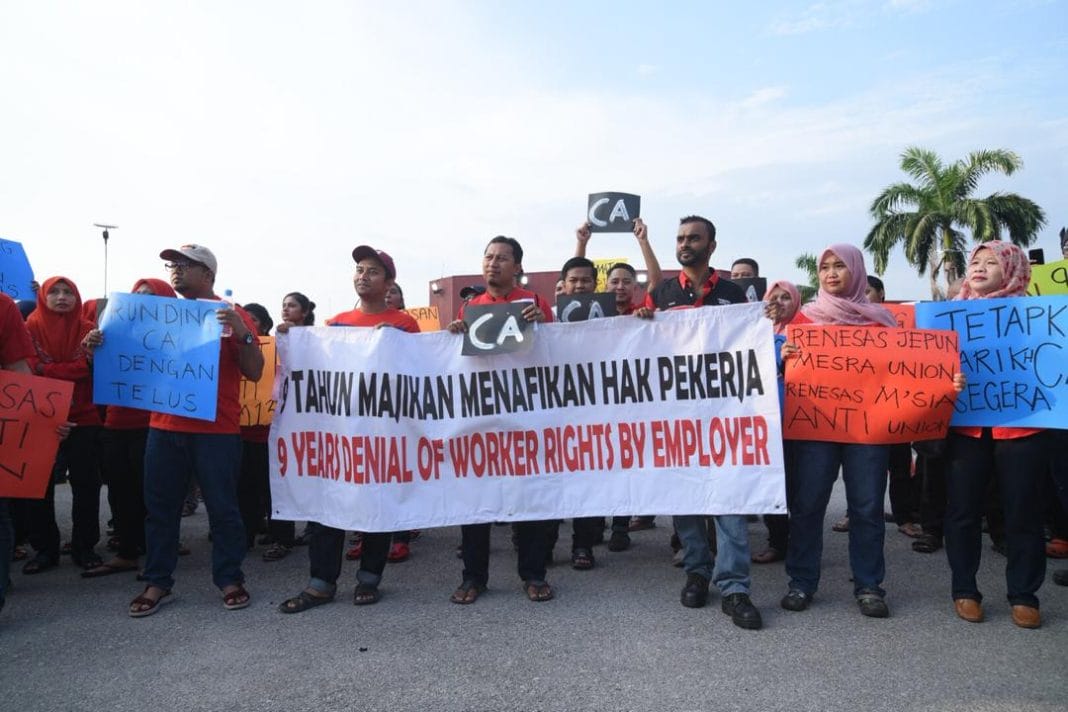 The Industrial Relations Department of the Human Resources Ministry (MOHR) has reaffirmed its commitment to safeguarding workers’ rights after a gathering and memorandum submission by several labour unions concerning alleged union-busting practices. The department emphasised that it respects the constitutional right to peaceful assembly and freedom of speech, while reiterating that workers’ rights to form […]
 - Court Orders Employer To Pay 93 Migrant Workers Outstanding Wages
 Human Resources Minister Steven Sim Chee Keong has welcomed the Shah Alam High Court’s decision to uphold an earlier ruling by the Labour Court, ordering an employer to pay outstanding wages to 93 migrant workers who were left without work upon arrival in Malaysia. The High Court on 31 October 2025 affirmed the Labour Court’s […]
 - No tolerance for employers who withhold wages, says HR Minister
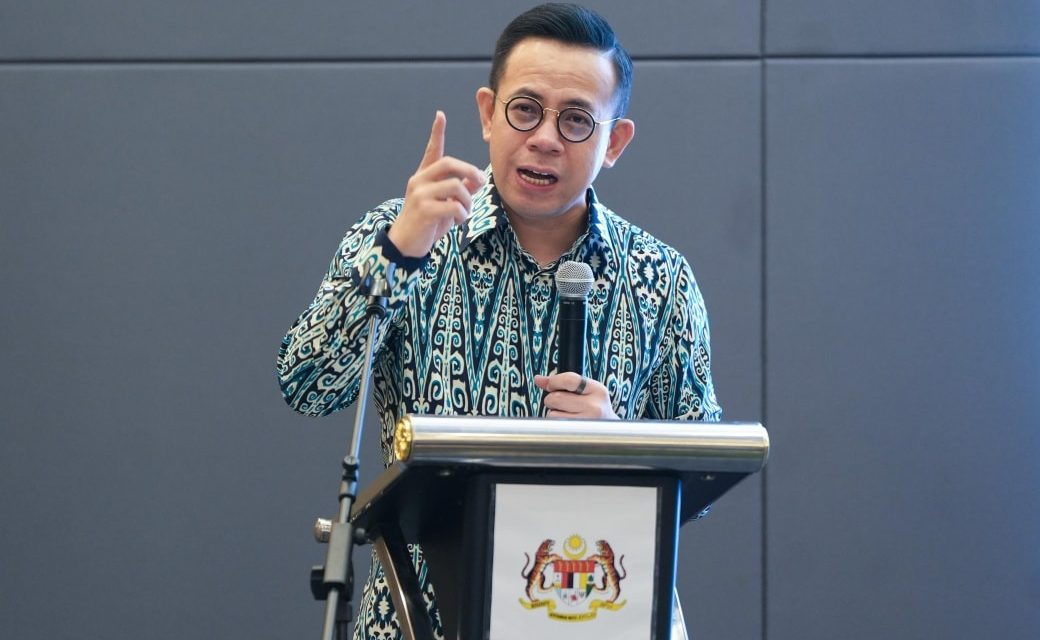 The Ministry of Human Resources (KESUMA) has urged all employers to take heed of the recent Shah Alam High Court ruling which upheld a decision in favour of 93 migrant workers in an unpaid wage case. Human Resources Minister Steven Sim Chee Keong said the Oct 31 decision sends a strong message that failure to […]
 - THE HEART WORK REVOLUTION
 TEN years after its inception, the Life at Work Awards (LAWA) 2025 marked not just a milestone but a movement that celebrates how Malaysia’s workplaces are evolving with compassion, flexibility and purpose. Hosted by Talent Corporation Malaysia Bhd (TalentCorp), the gala night honoured organisations leading the way in shaping a fairer, more progressive, human-centred world […]
 - Group wants clear framework, pilot projects before expanding EIS to gig workers
 PETALING JAYA: The Malaysian Industrial, Commercial and Service Employers Association (Micsea) has called on the government to set a clear policy framework and run pilot projects before expanding the Employment Insurance System (EIS) to gig and platform-based workers. The association said the plan, announced by human resources minister Steven Sim in the Dewan Rakyat on […]
 - Employer group seeks clarity on foreign worker pay rules after court ruling
 KUALA LUMPUR (Nov 3): The Malaysian Industrial Commercial & Service Employers Association (MICSEA) is calling on the Ministry of Human Resources (MOHR) to issue clear and structured guidelines on wage payment timelines for foreign workers, following a recent court ruling that employers must pay wages from the moment these workers arrive in Malaysia. The call […]